Make a video game with your kid
Your child has a game idea. Every kid does. A pizza delivery game, an ant colony, a cat who dodges dogs in the yard. Buildable Kids turns that idea into a real, playable game without anyone needing to know how to code. You describe it together; a guide does the rest.
How it works
Describe the game
Go to Buildable and type the idea in plain words. "A game where ants dig tunnels underground and build rooms." That is enough to start. Your child can help decide the details: what the character looks like, what the goal is, what happens when you win.
Watch a first version appear
A guide works through the idea and puts together a first playable version. Most families have something to tap and play within about 20 minutes. It will not be finished yet, but it will be real: actual game logic, something that moves, something that responds when you touch it.
Make it yours
A second round of work adds art, sound, and polish. Your child can describe the characters, choose a setting, name the things in the game. The guide updates the game as you go. When you are happy with it, keep it. It is saved to your family's library.
From a rough sketch to a real game
Ant City started as a few shapes on a screen: a tunnel, a queen ant, a pile of food. In the first version there was no art, no sound, and only one kind of ant. A family came back for a second session and added painted tiles, different ant roles, and a sound when a new tunnel opened up. That is the same game now available for any kid to play on Buildable Kids.
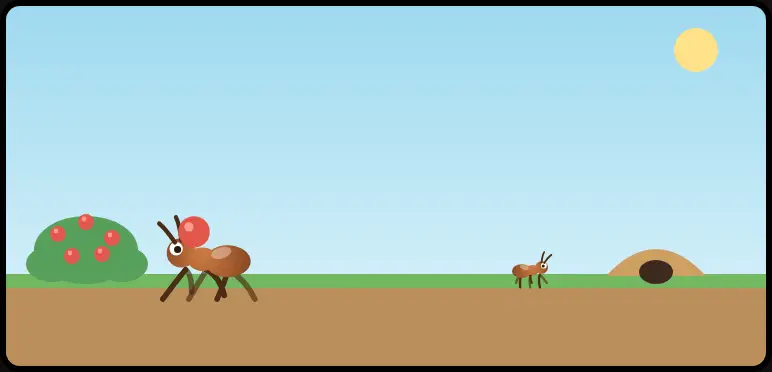
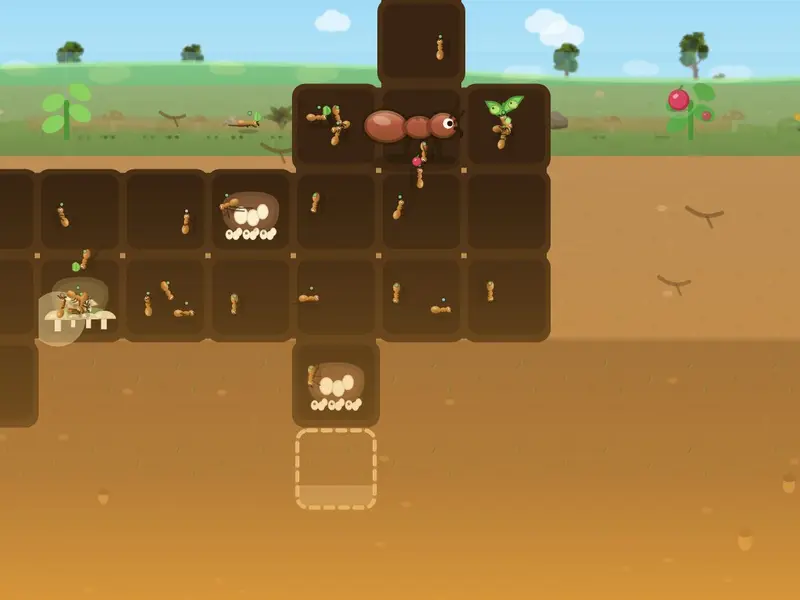
Your family's game is not a copy of Ant City. It is whatever your child described, in their own words, with the characters and setting and rules they chose. Ant City is just an example of how a rough first idea becomes something that feels finished.
What kids get out of it
Making a game is one of the fastest ways to get a child thinking like a problem solver. When your child's game is not working the way they imagined, they have to figure out why. When a rule they set makes the game too easy, they notice and want to change it. These are the same instincts that engineers, designers, and product people use every day, and your child is doing it because they care about the game they made.
After the game is done, your family has something none of your child's friends have: a game they made themselves, that their own ideas went into, that they can play and share.